
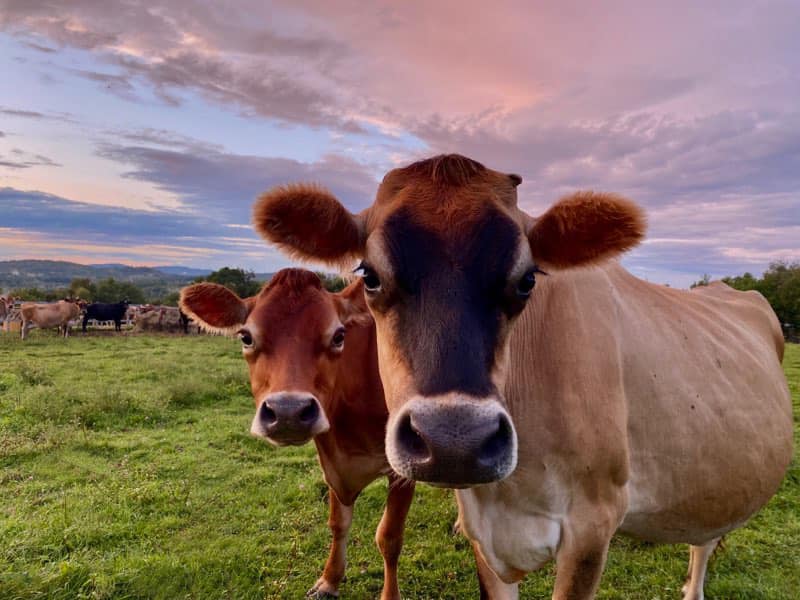
Cows, Steer, & The Dairy Industry
Nearly all of the rescued cows and steer here have come directly from the dairy industry, and most of them have come from state cruelty cases where animal welfare agents have shut down “local, small, family” dairy farms for extreme neglect and starvation, seizing all of the dehydrated, emaciated survivors (many of whom were pregnant or had newborn calves) and bringing them to PRS. Our facilities are the only ones in the state that can handle these type of herd rescues where we open our doors to so many farmed animals needing emergency rehabilitation.
Often, people have been taught to believe that cows just produce milk and that we are “doing them a favor” by milking them. But what we aren’t usually taught growing up is that cows are mammals, just like us, so they only produce milk to feed their young babies.
Each year, dairy cows are impregnated (often through artificial insemination) and give birth to a calf who will be taken from them moments to hours after giving birth. Cows are deeply maternal animals and it is common for them to bellow for days for their stolen babies. Selectively bred to produce massive amounts of milk (up to 10 times what they should), cows are only milked twice a day (if allowed, calves nurse repeatedly all day long) often resulting in painful mastitis infections. Female dairy calves are typically raised to join the herd as their mothers are killed at a fraction of their lifespan when their bodies start to give out and their production declines. Male dairy calves, who can’t produce milk and don’t grow as profitably as breeds selectively bred to be slaughtered for their flesh, are routinely killed at birth or as babies for veal. The veal industry is the dairy industry. The only “happy cows” are rescued cows—please join us in ditching dairy (and all animal products).
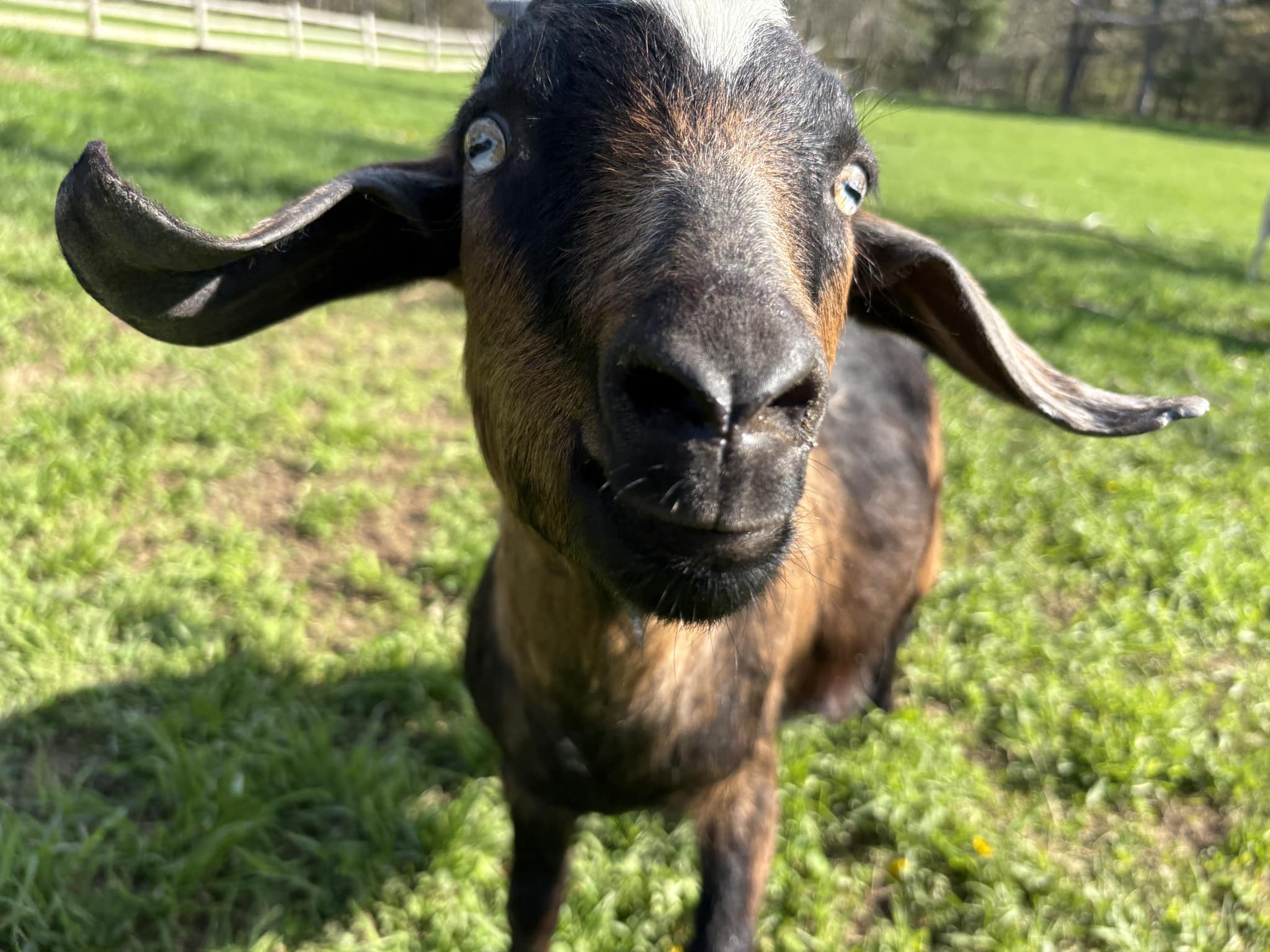
Goats & The Dairy Industry
Goats are smart, curious, playful, social animals. While eating goats is common worldwide, in the U.S., most goats are exploited for dairy. Just like cows, humans, and all other mammals, goats only produce milk to feed their babies. So if you are consuming goat milk or goat cheese, it is because a kid was taken from their mother at birth and wasn’t allowed to drink the milk his or her mother made just for them. Goat dairy has become increasingly popular over the years, but it is just another product that humans have no biological need to consume - we only require human milk, and only before we are weaned, for proper nutrition and growth. Unwanted kids are killed, sold to petting zoos where they are exploited until they are discarded when they are old and “less cute,” or subjected to the same sad fate as their mothers.
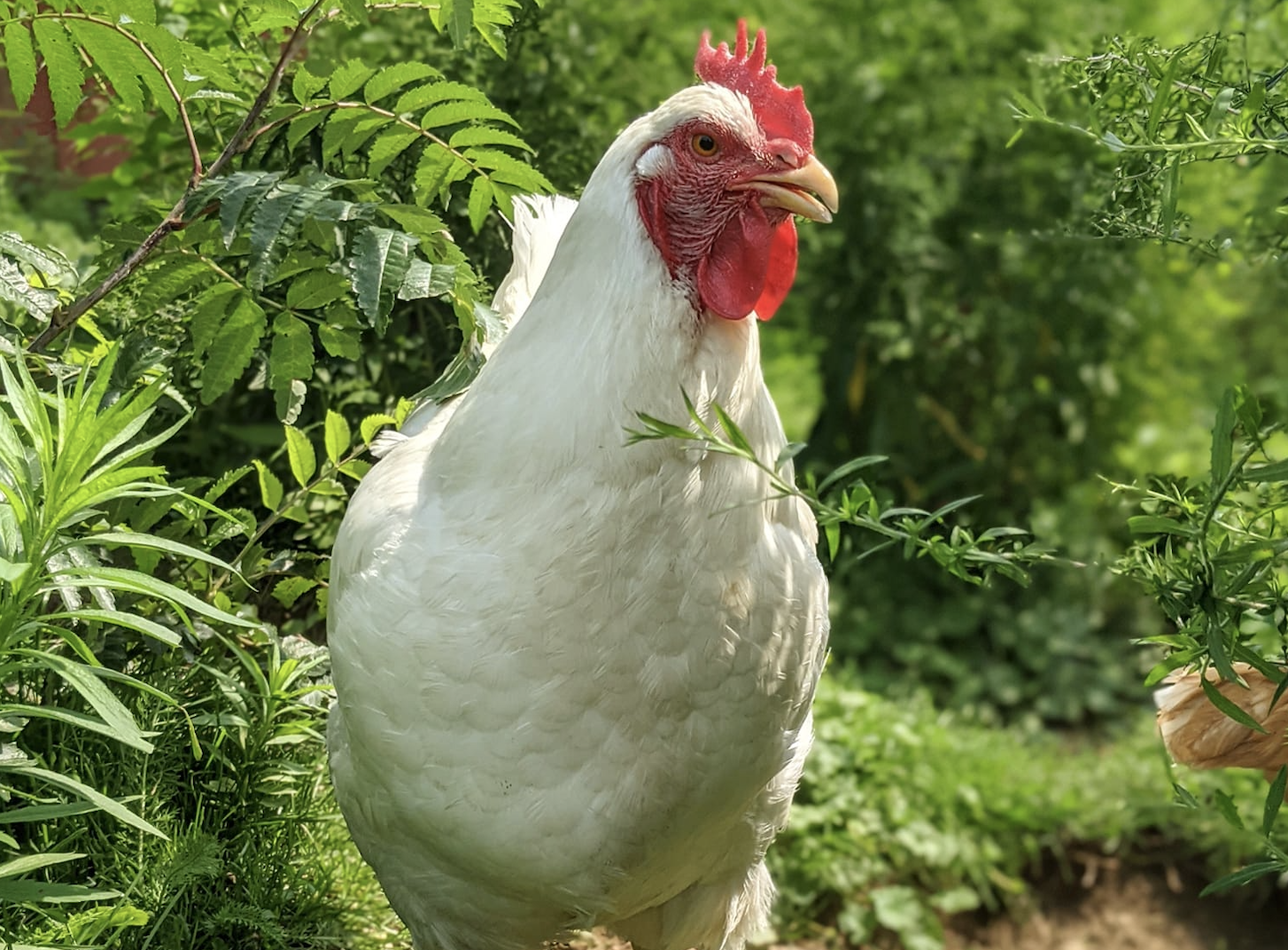
Chickens & The Egg Industry
Chickens are smart, social animals who deeply love their families. Most people know that chickens are being used for their flesh and their eggs, but many people may not know that chickens have been selectively bred over the years to maximize profit at the expense of these wonderful animals.
Today, most chickens are classified as “broilers” or “layers.” “Broilers” have been manipulated to grow very big, very fast. The average chicken today is four times bigger than in the 1950’s and is killed at only 42 days old. Their hearts, lungs, and legs struggle to keep up with their rapid and unnatural growth and their bodies often start to give out at only weeks old. And “layer” chickens have been bred to lay 300-350 eggs a year instead of the 10 - 15 eggs they would naturally lay each year - this is incredibly depleting for their bodies and they are killed after only a year or two. Male “layer” chickens can not lay eggs and they can’t grow as fast as “broiler” chickens, so they are typically killed the day they are hatched - suffocated in garbage bags or ground up alive in chippers. These hatcheries supply farms (and backyard flocks) of all sizes and often chicks are shipped in the mail - a process that is not only cruel, but can often be deadly.
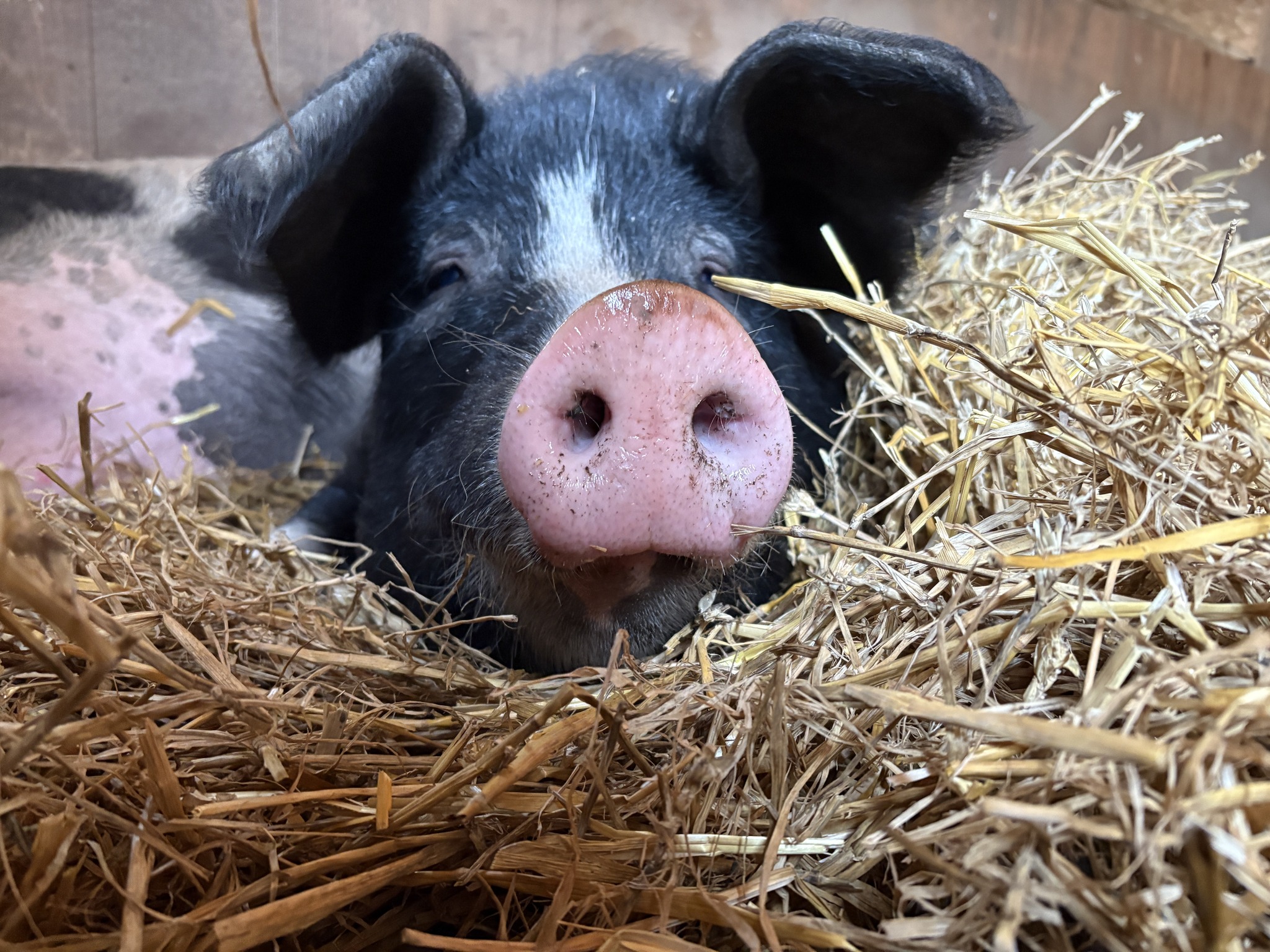
Pigs Are Friends, Not Food
Pigs are intelligent, social, loving animals who have a higher cognitive capacity than dogs or human toddlers. Not that we should use intelligence as a standard for whether or not an animal should be allowed to suffer or be killed - any sentient being should be spared from unnecessary suffering. But pigs are undeniably smart and can be taught to play games. They form social hierarchies, have a wide range of vocalizations (even singing to their nursing piglets), they recognize their own names from a very young age, and easily learn to do tricks like sitting for treats. Pigs are also very clean animals, most preferring to never go to the bathroom where they sleep or eat. But because most pigs are kept in conditions where they have no choice but to relieve themselves where they are, pigs have an undeserved reputation for being dirty animals. They also do not sweat and rely on evaporative cooling from soaking in wallows they dig in the mud to regulate their body temperatures and provide natural sunscreen, this exacerbates the false belief that pigs are messy. On farms, piglets routinely have their tails docked, their teeth cut, and are castrated - all without pain relief and are killed as babies at only six months old.
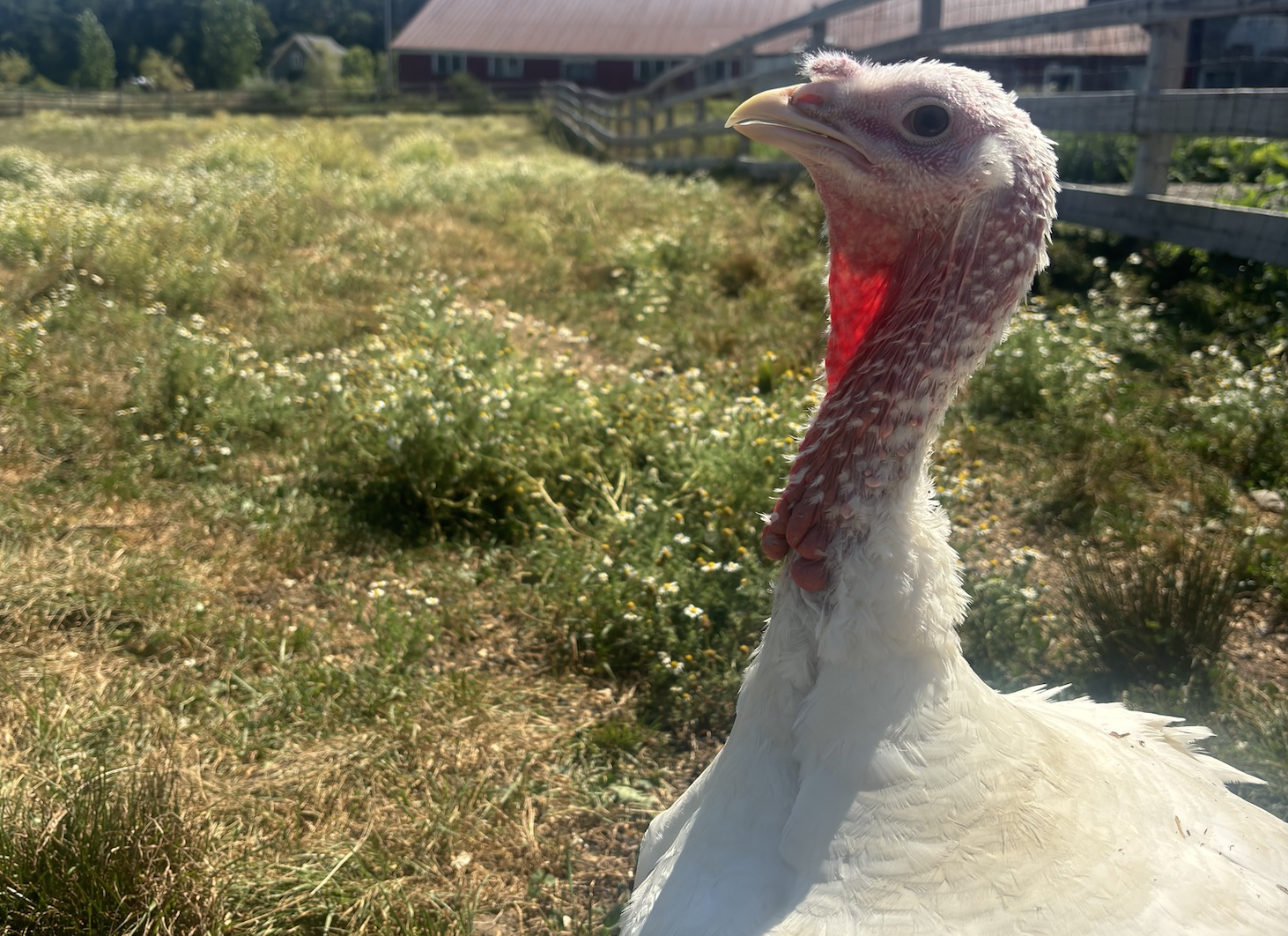
Turkeys & Kinder Ways to Show Thanks
Turkeys are wonderful, intelligent, and unique birds. Like “broiler” chickens, turkeys have been selectively bred to grow very big, very fast. Because their bodies are unnaturally large, they aren’t able to reproduce on their own and are produced by artificial insemination. Most turkeys are killed at only 3-5 months old and by that time, it is common for them to already be suffering with debilitating joint problems and heart problems as their bodies struggle to keep up with their massive growth. Most turkeys raised for food are kept in crowded conditions and have the ends of their sensitive beaks cut off to keep them from injuring each other. On sanctuaries, turkeys are fed very restrictive diets to try to keep them at a healthy weight, but as is the case with all farmed animals, they have been designed to suffer for the sake of higher profits.
A staggering 46 million turkeys are killed each year in the U.S. for Thanksgiving Day alone. You can join us in showing thanks and gratitude on Thanksgiving and all days, by leaving turkeys and other animals off your plate.
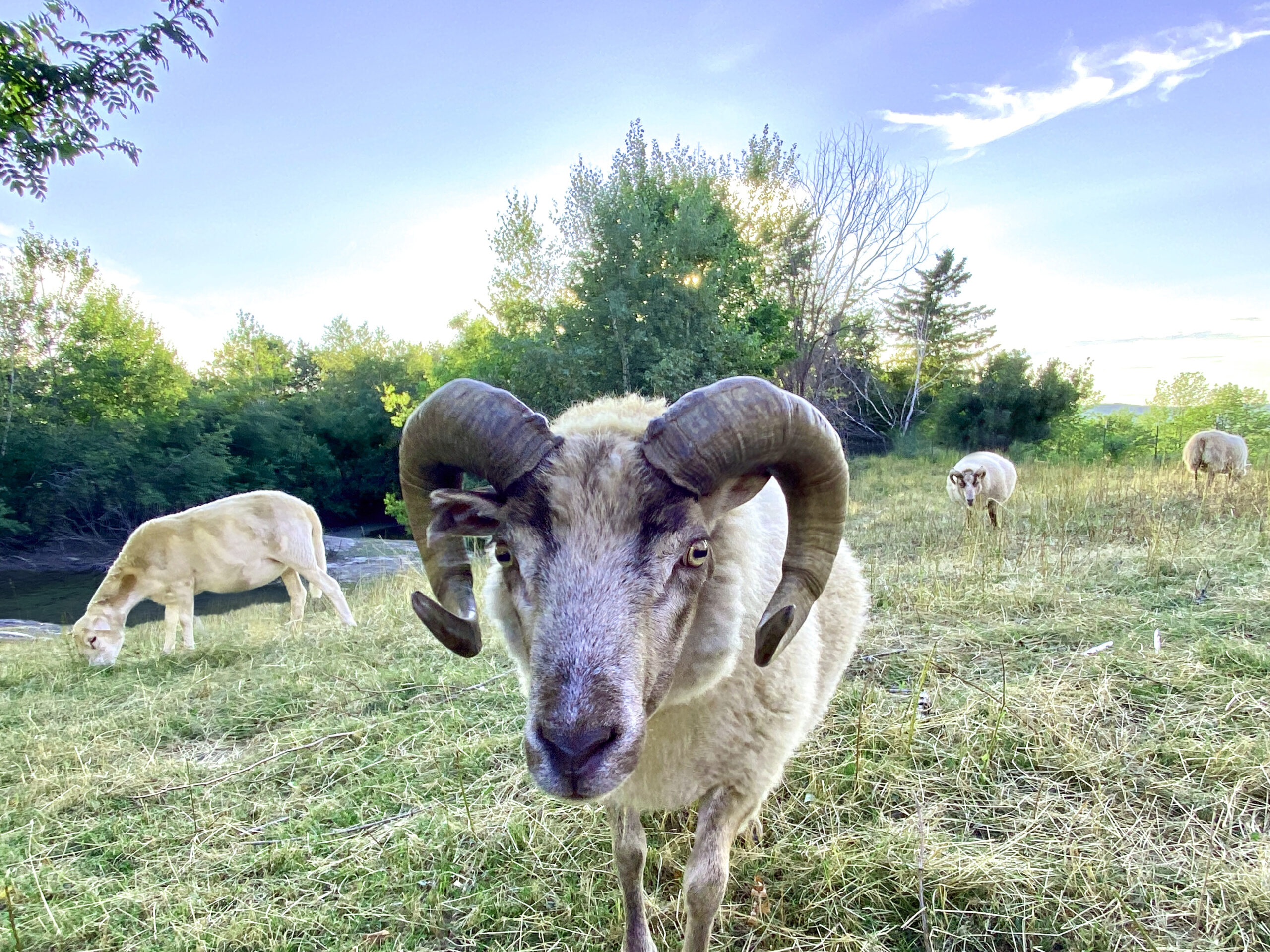
Sheep & The Wool Industry
While most people think that sheep naturally produce excess wool and that we are “helping them out” by regularly shearing them, wild sheep grow just enough wool to keep them properly insulated so they stay cool in the summer and warm in the winter. As is the case with all farmed animals, sheep have been selectively bred over the years to maximize profits at their expense - in their case to have them grow excess wool, and for some breeds even excess folds and flaps of skin that give more surface areas for wool production while increasing the chances of infections for the sheep. Sheep are routinely tail-docked, having their sensitive tails cut off or banded to cut off circulation until their tails become necrotic and rot off. Because shearers are paid by the sheep, not by the hour, often they move very quickly and sheep can get cut or suffer spinal injuries. Because domesticated sheep grow too much wool for the summer heat, we carefully shear each sheep in the spring to keep them cool and scatter their wool in the woods for wild animals to build nests.
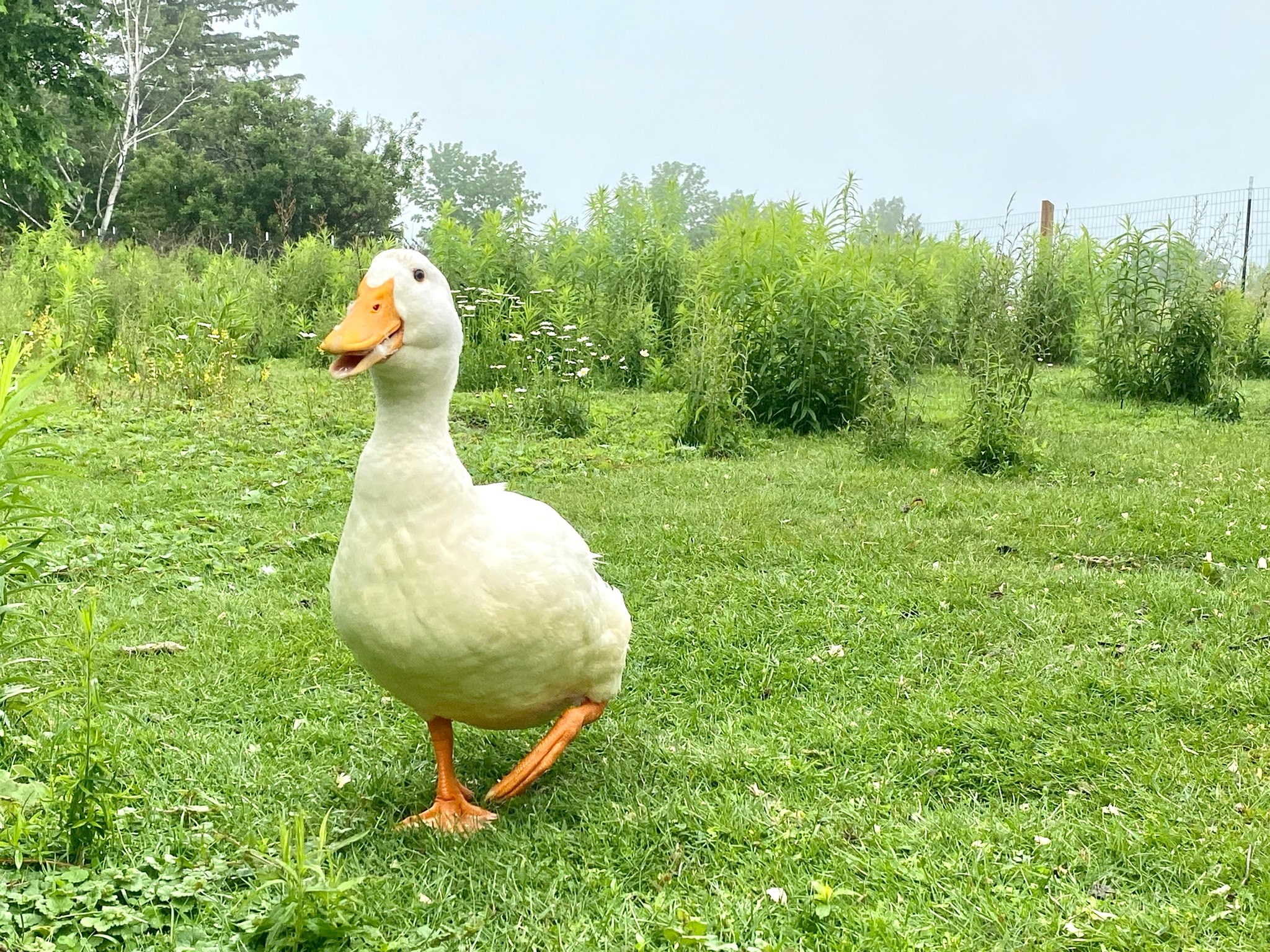
Ducks, Geese & Saying NO to Foie Gras & Down
Here at PRS, each of our rescued ducks and geese enjoy living in a place where their needs are always prioritized, but for most farmed waterbirds, their lives are very different. Having access to clean water to swim and bathe in is very important for the physical and emotional well-being of ducks and geese who are raised for their flesh and/or their down, which involves painfully plucking feathers out of the live birds over and over. Ducks and geese are also exploited for foie gras, being force-fed massive amounts of grain by a painful tube inserted down their throat, into their stomachs until their livers become a fatty and diseased “delicacy.” Like all farmed animals, they are denied virtually everything natural and important to them.
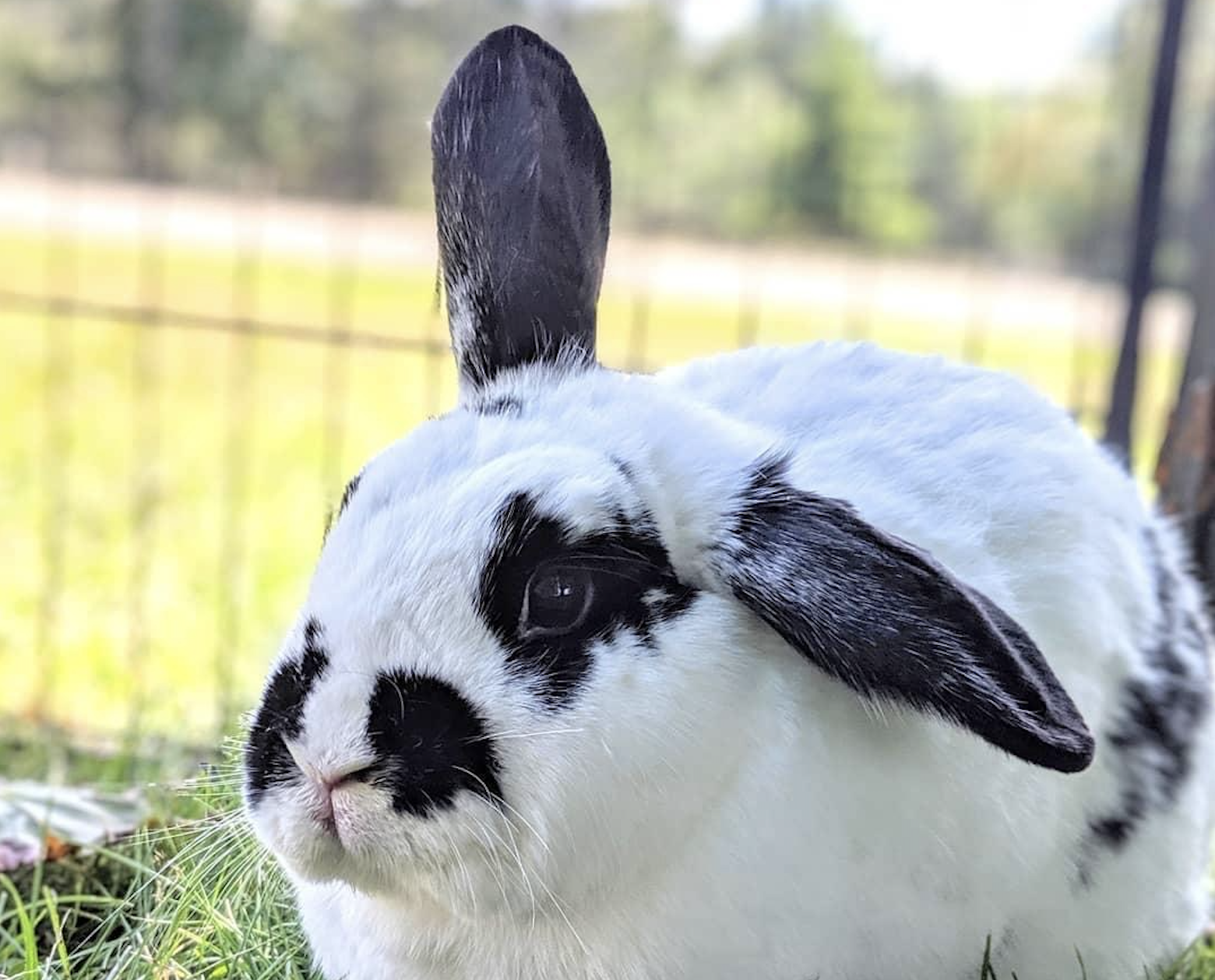
Rabbits—the Third Most Euthanized Animals
Rabbits are sensitive and fragile animals who can make wonderful companions when people understand the unique needs of their species - this is true for all farmed animals, even though in our society we tend to think of caring for them as “easier“ than dogs and cats. Perhaps this misunderstanding is why rabbits are the third most popular companion animal in the U.S. and the third most euthanized. All too often, rabbits are seen as good “starter pets” and “gifts” for young children who quickly lose interest or can accidentally hurt them. Living in outdoor hutches leaves them at a higher risk for parasites, suffering or dying from the elements, or getting killed by predators. Rabbits are also commonly used in painful and fatal animal experimentation to test household and cosmetic products, even though these outdated testing methods are not required in the U.S. and are unreliable, as there are important physiological differences between humans and other species.